Life in Manhattan brings energy, culture, and convenience—but it also brings street grit, elevator traffic, pet dander, and building dust right into your home or office. Over time, carpets act like wide filters, trapping airborne particles, allergens, and odors that vacuuming alone can’t remove. That’s why professional carpet cleaning tailored to New York City’s unique conditions matters. The right team understands co-op rules, arrives with building insurance ready, navigates tight hallways without scuffs, and uses eco-friendly methods that are safe for people, pets, and delicate fibers. With advanced equipment, low-VOC solutions, and fast-dry techniques, expert pros keep spaces in neighborhoods from the Upper West Side to FiDi looking sharp and feeling healthy—without disrupting daily life.
Whether you manage a high-rise, own a pre-war apartment with wool broadloom, or maintain a boutique workspace, a modern Manhattan approach blends deep soil removal, fiber-safe chemistry, and efficient logistics. The result: brighter color, softer texture, longer carpet life, and cleaner indoor air—all while respecting the pace and constraints of the city.
What Makes Manhattan Carpets So Challenging—and How Pros Tackle It
Manhattan carpeting faces a stubborn cocktail of pollutants: subway soot, tire residue, construction dust, road salt, humidity, and constant foot traffic. Add to that apartment realities—tight entries, doorman schedules, and the need for quick dry times—and it’s clear why a one-size-fits-all cleaning won’t cut it. Seasoned technicians start with a meticulous assessment: identifying fiber type (synthetic, wool, or blends), backing, installation method, and pre-existing issues like ripples, pet urine, or dye instability. This informs whether to use hot water extraction for deep restorative work or a low-moisture encapsulation to refresh busy spaces with minimal downtime.
Pre-vacuuming with commercial HEPA equipment is essential in Manhattan, where fine particulate can bury itself in the pile. A thorough dry soil removal can lift more than half of embedded debris before any moisture is introduced, optimizing the rest of the process. Targeted pre-treatments break down oils from street grime and cooking vapors, while specialty spotters address coffee, wine, ink, and makeup without harming dyes. Quality pros favor plant-based or oxygen-boosted solutions that are non-toxic and low in residue, helping carpets stay clean longer. A neutralizing rinse afterwards returns the pH to fiber-safe levels, protecting color and hand-feel.
Drying is another Manhattan must. Portable extractors with powerful vacuum stages or truck-mounted systems (where accessible) pull out the bulk of moisture, then air movers and gentle warmth speed evaporation. Done well, carpets can be walk-dry within hours, reducing slip risks in high-rises and keeping co-op corridors clear. For wool and natural fibers common in historic brownstones and pre-war buildings, technicians use cooler water, wool-safe detergents, and controlled agitation to avoid fuzzing and shrinkage.
Pet odor in smaller apartments requires a different plan. Enzymatic treatments that digest odor-causing proteins, paired with subsurface extraction, reach beyond the face yarns into the backing. When odor has penetrated the cushion, a targeted renovation—lifting and treating the area—can save the installation. Area rugs, including silk or hand-knotted Persian pieces, often benefit from an off-site wash with dusting, immersion or controlled wet-cleaning, and flat drying. Reputable local providers—including green-focused teams like Always Green Carpet Cleaner Manhattan—bring building-ready insurance, corner guards for walls, protective floor runners, and respectful coordination with doormen, ensuring a process as smooth as the results.
Service Scenarios: From Pre-War Co-ops to High-Rise Offices
Every Manhattan property tells a different story, and service plans adapt accordingly. Consider a pre-war co-op on the Upper East Side with a sisal-wool blend in the living room and runners along a narrow hallway. The technician conducts a dye-stability test, vacuums with a soft-brush head, and selects a low-moisture encapsulation for the sisal component to prevent warping. Wool-safe pre-conditioners lift soil without stripping natural oils, and edge work along baseboards removes line-of-dust that accumulates beneath radiators. Corner guards and stair treads protect the building during transport. Dry time is managed to keep common areas clear, with notice provided to the super and doorman well in advance.
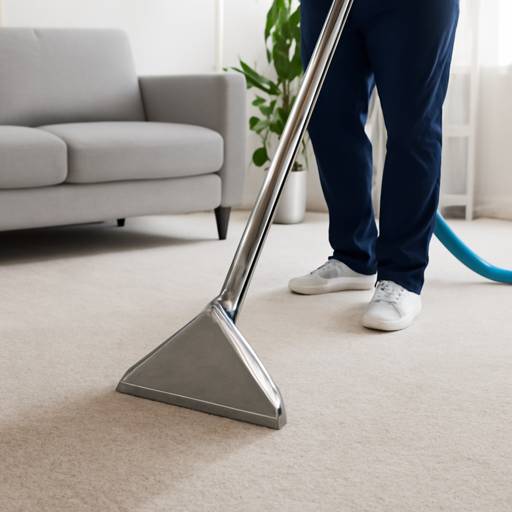
Now picture a Midtown office with wall-to-wall commercial carpet and heavy traffic lanes from elevators to workstations. The strategy combines interim encapsulation cleaning during off-hours—so the space is ready by the next business morning—with periodic restorative hot water extraction to reset the entire floor. Low-VOC chemistry supports indoor air quality, especially important in sealed, climate-controlled spaces. Technicians focus on lanes, pivot points near chairs, and coffee stations, using agitation machines to suspend soil efficiently. Quarterly maintenance reduces replacement costs and preserves a professional appearance for clients and staff.
In a West Village apartment with pets, recurring urine spots and tracked-in park soil demand enzyme pretreatments and targeted sub-surface flushing. A groomed pile lift after cleaning realigns yarns and revives texture; furniture pads protect damp fibers from wood stain transfer. The team might also recommend a microfiber entry mat system and a shoe-free policy to curb re-soiling. For lofts in SoHo with large format rugs over hardwoods, technicians consider the risk of dye migration and floor finish sensitivity, opting for on-site surface cleaning with minimal moisture or safe pickup for a controlled wash. Across these scenarios, success hinges on careful planning: verifying the building’s certificate of insurance requirements, booking elevator windows, communicating arrival times, and ensuring residents can access key areas without disruption.
Stain challenges vary by neighborhood habits—espresso drips in Tribeca studios, red wine in Chelsea, salt and sludge near Central Park, or construction dust in Hudson Yards. Skilled pros carry a matrix of specialty solutions: tannin removers for beverages, solvent spotters for lipstick or adhesive, and protein enzymes for food and pet accidents. They pair chemistry with fiber knowledge, testing discreetly before treatment. With the right approach, even stubborn traffic gray can be lifted several shades, restoring definition to patterns and extending the life of high-quality installations.
How to Choose a Green Manhattan Carpet Cleaner—and Maintain Results
Selecting the right partner for carpet cleaning Manhattan projects starts with credentials and clarity. Look for IICRC-certified technicians who can explain their process in plain language, carry the appropriate insurance and provide a building-ready COI, and offer written, itemized estimates. Ask about their chemistry: Are solutions eco-friendly, low-VOC, and residue-conscious? Do they use neutralizing rinses? For wool or fine rugs, confirm wool-safe products and gentle drying protocols. Transparent communication matters in Manhattan—providers should coordinate with your super or management, protect common areas, and respect elevator windows. Reading local reviews for neighborhoods like the Upper West Side, East Village, and Battery Park can also hint at reliability and responsiveness.
Before the appointment, simple prep improves outcomes. Declutter floors, secure pets, and vacuum if possible; point out stains, pet accident zones, and concerns like loose seams or ripples. Share building rules (service elevators, load-in times, parking) to avoid delays. During cleaning, expect thorough pre-vacuuming, targeted pre-spotting, agitation to loosen soil, hot water extraction or low-moisture cleaning as appropriate, followed by grooming and accelerated drying. A reputable green-focused team—such as Always Green Carpet Cleaner Manhattan—can also advise on protecting high-traffic areas with runners or chair mats to prolong results.
Aftercare in the city keeps carpets looking fresh longer. Vacuum traffic lanes two to three times a week with a HEPA-filter unit and a height-adjustable beater bar; for wool, use gentler agitation. Deploy a two-mat system at entries (one outside, one inside) to catch grit before it reaches fibers. Adopt a shoe-free routine where practical. Blot spills immediately with a white towel, working from the outside in; use a small amount of a neutral pH, residue-free spotter, and avoid over-wetting or scrubbing. For pet accidents, enzymatic spotters work well—allow proper dwell time and blot thoroughly. Run fans or HVAC to speed drying after professional service, and use felt pads under furniture to prevent rust or stain transfer.
Professional frequency depends on use: every 6–12 months for homes, more often with pets or allergies; quarterly to biannual for commercial spaces, with interim encapsulation on traffic lanes and annual restorative extraction. Daylight can fade dyes on area rugs, so rotate pieces seasonally, and pair rugs with a quality, non-staining pad for comfort and stability. When comparing providers for carpet cleaning Manhattan, prioritize experience with NYC logistics, greener chemistry, fast-dry methods, and a consultative approach that treats your carpet as a long-term investment in health, comfort, and style.

Baghdad-born medical doctor now based in Reykjavík, Zainab explores telehealth policy, Iraqi street-food nostalgia, and glacier-hiking safety tips. She crochets arterial diagrams for med students, plays oud covers of indie hits, and always packs cardamom pods with her stethoscope.