Indoor air is recycled dozens of times a day, carrying along microscopic dust, pollen, pet dander, and moisture. Over time, those particles settle in ductwork, lining the pathways your HVAC system uses to heat and cool your spaces. A thorough, professional air duct cleaning addresses more than dust on vents—it targets hidden buildup deep within your system. In Madison’s four-season climate, where furnaces and AC units work hard, a clean air path helps safeguard health, comfort, and HVAC efficiency.
Why Clean Air Ducts Matter for Indoor Air Quality and HVAC Efficiency
Every time your system cycles, air flows across coils, through filters, and along ductwork before reaching rooms. If ducts are lined with debris, that airflow can stir up and redistribute pollutants. Dust, pet dander, insulation fibers, and even microbial growth like mold spores or bacteria can settle inside returns and supply lines. The result is air that may look clean but contains microscopic particles that aggravate allergies, tickle throats, or create persistent odors. By removing this buildup, a targeted air duct cleaning elevates indoor air quality and helps occupants breathe more comfortably.
The benefits extend to performance, too. Debris inside ductwork narrows airflow pathways and increases resistance, forcing the blower to work harder and run longer. That stress can accelerate wear on components and may contribute to uneven room temperatures, longer run times, or hot and cold spots. Clean ducts promote steadier airflow, which supports balanced temperatures and smoother operation throughout a home or business. When airflow is optimized, your system can reach target temperatures faster and cycle off more efficiently, helping to reduce energy waste and supporting the longevity of your equipment.
Several signs suggest it’s time to schedule a professional cleaning. If you notice dust accumulation shortly after cleaning surfaces, musty or stale odors when the system starts, or visible debris inside vents, the ductwork may be contributing. Recent remodeling or construction often introduces drywall dust and sawdust into returns. Households with shedding pets or occupants sensitive to allergens may also benefit from more frequent service. In Madison, where windows stay closed for long stretches during heating season, pollutants can recirculate for months—another reason to keep the air pathway clear and healthy.
What a Professional Air Duct Cleaning Includes: Methods, Safety, and Results
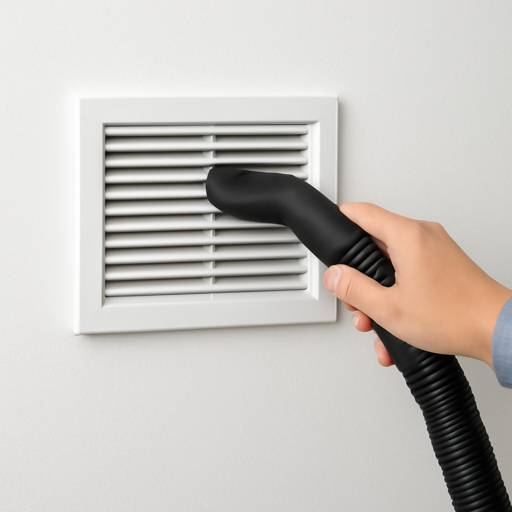
A trustworthy air duct cleaning service focuses on source removal: extracting contaminants from the entire system so they are captured and contained, not released back into your space. Technicians start with a walkthrough to identify supply and return trunks, inspect accessible ductwork, and understand your HVAC layout. Registers and grilles are carefully removed and cleaned. Then a powerful negative-pressure vacuum is attached to the main trunk to pull air and debris toward containment. With the system under suction, technicians use rotary brushes, air whips, and specialized agitation tools to dislodge dust and debris from the inner walls of ducts, sending it into HEPA-filtered collection.
This approach is “whole system,” not just the first few feet behind a vent. It addresses supply lines, return lines, main trunks, and key components where accessible. The blower compartment is often cleaned to remove dust from fins and housings, and the evaporator coil is typically inspected; while coil cleaning may be a separate service, ensuring it is free of matting debris supports strong, efficient airflow. If evidence of microbial growth is found, technicians can discuss options like EPA-registered sanitizing treatments once mechanical cleaning is complete. However, responsible providers prioritize physical removal first because chemical fogs alone cannot take the place of thorough debris extraction.
Professional crews protect your home or business during the process by laying down coverings where needed, sealing off registers during agitation, and maintaining proper pressure so particles move into containment. The work commonly takes a few hours, depending on property size and complexity. Reputable providers offer visual verification—such as before-and-after images inside ducts—or document results in ways you can understand. The payoff is a cleaner system and tangible improvements you can feel: reduced dust settling on surfaces, diminished musty odors, and steadier airflow from room to room. When combined with routine filter changes and sensible humidity control, a detailed duct cleaning can be a cornerstone of healthier, more efficient building performance.
Local Factors in Madison, WI: Seasonal Allergens, Humidity, and Real-World Outcomes
Madison’s climate presents a unique mix of indoor air challenges. In spring, tree pollens surge. In late summer and early fall, ragweed intensifies outdoor allergen loads. Meanwhile, summertime humidity can be high, and winters are long and dry—prompting residents to keep windows closed for months. These conditions push HVAC systems to work overtime, circulating air continuously or in frequent cycles. Any debris in ductwork becomes part of that recirculation. For homes near Lake Mendota or Lake Monona where moisture can linger in basements and crawlspaces, lingering dampness can also increase the risk of musty odors or microbial growth within returns. A timely, professional cleaning helps remove particles introduced during peak pollen periods and addresses residues that thrive in damp or stagnant sections of the system.
Madison’s housing stock includes mid-century ranches, older bungalows with retrofitted ductwork, and newer construction with tighter building envelopes. Older systems sometimes have longer runs or sharp duct angles where dust nests form. Newer, tightly sealed homes are excellent for energy savings but can trap indoor pollutants without proper filtration and ventilation. Local businesses—especially restaurants, salons, clinics, and small offices near Capitol Square or along East Washington Avenue—see steady traffic that stirs up dust, hair, and fibers. In each case, a thorough air duct cleaning is a practical way to reset the system, reduce recirculated particles, and improve occupant comfort, whether you manage a Main Street storefront or a lakeside townhouse.
Real-world outcomes highlight the difference. A family near the University Heights area scheduled cleaning after a basement renovation left fine dust throughout returns. Post-service, they reported less daily dusting and more even air distribution upstairs—especially noticeable in the nursery and primary bedroom. On the East Side, a boutique retailer saw a reduction in persistent fabric lint near supply vents and fewer customer complaints about stuffy air after cleaning the supply trunks and blower compartment. In a west Madison office suite, staff who struggled with seasonal sniffles noticed fewer flare-ups during peak ragweed weeks once duct debris and old filter residue were removed. For property owners ready to take the next step toward cleaner air and smoother HVAC performance, learn more about our Air Duct Cleaning Service and how it supports healthier living and working in Madison’s changing seasons.

Baghdad-born medical doctor now based in Reykjavík, Zainab explores telehealth policy, Iraqi street-food nostalgia, and glacier-hiking safety tips. She crochets arterial diagrams for med students, plays oud covers of indie hits, and always packs cardamom pods with her stethoscope.
0 Comments